
Zillion RTU
Low voltage node
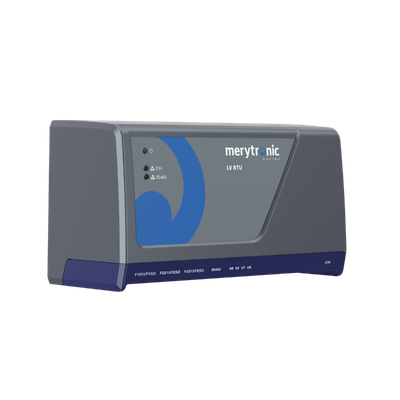
The Low Voltage Node is the core device of the low-voltage monitoring system installed at the secondary substation. It serves as the communication and intelligence hub in the field, collecting data from smart meters and line monitoring devices and transmitting it to higher-level platforms and systems through standard communication protocols.
Thanks to its open architecture and integration capabilities, the Low Voltage Node provides a unified view of network status, facilitating operation, maintenance and asset management across power distribution environments. Acting as a data gateway, it seamlessly connects field devices with SCADA, DMS and IT/OT systems, transforming distributed measurements into actionable operational intelligence.
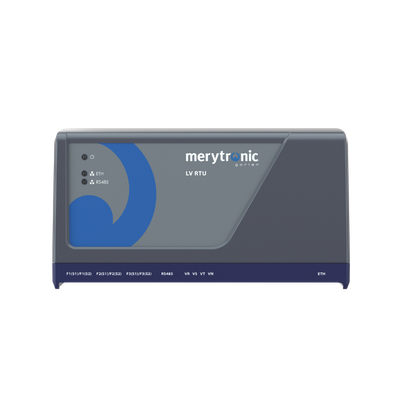
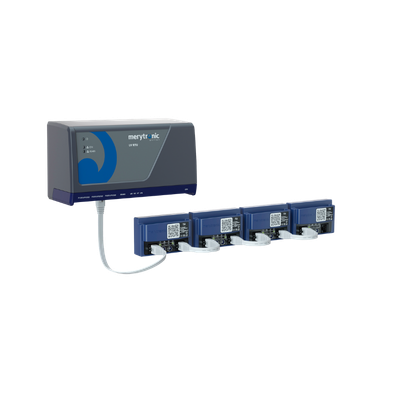
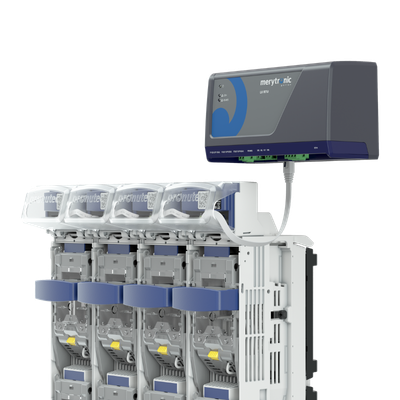
Propuesta de valor de la Remota de BT
Data Centralisation. Collects, stores and manages electrical data from low-voltage feeders and field monitoring devices, providing a consolidated view of network conditions and performance.
Open and Standard Connectivity. Integrates low-voltage network data into SCADA, DMS and IT/OT platforms through standard industrial protocols and services. This ensures seamless interoperability across different operational environments and systems.
Field Intelligence. Transforms distributed electrical measurements into structured, actionable information for network operation, asset management and advanced analytics. This enables informed decision-making based on reliable and consistent data.
Primary Use Case of the Low Voltage Node
The Low Voltage Node is the central device of the modular low-voltage monitoring system installed at the secondary substation. It acts as a data gateway between field devices - including line monitoring units, smart meters and sensing devices - and SCADA/DMS systems. By consolidating and managing data from across the low-voltage network, it provides an integrated, consistent and operational view of network conditions. This enhances overall substation visibility and supports greater operational efficiency.
What Does the Low Voltage Node Do
Data Management. Collects and stores data from smart meters and line monitoring devices. The information is then aggregated, structured and transmitted to higher-level systems, transforming raw data into actionable operational intelligence.
Communication. Acts as a protocol gateway across different operational environments, enabling seamless integration between field devices and higher-level systems. It supports the simultaneous transmission of data to multiple SCADA, DMS and IT/OT platforms, ensuring interoperability and the coexistence of diverse systems within the same network infrastructure.
Advanced Functions. Supports power quality monitoring, oscillography recording, and the measurement of earth leakage and service connection currents. These advanced capabilities provide deeper insight into network conditions, enhancing visibility and enabling more effective analysis of low-voltage network performance.
Principales características:
-
RS485 Bus Master for Line Meters (DLMS/HDLC).
-
Communication with platforms via XML, web services and industrial protocols.
-
Support for Modbus TCP, IEC 60870-5-104 and DNP3.0.
-
Compact design with a simplified architecture to facilitate integration into secondary substations.el cable RS485.
-
Compact design with a simplified architecture to facilitate integration into secondary substations.
Related products
Zillion SFS
Smart fuse switch | upper solution

Integrated protection and electrical monitoring at the feeder level, with a compact design for low-voltage switchboards where space is limited.
Zillion SFS
Smart fuse switch | lower solution

Integrated protection and electrical monitoring at the feeder level, with native measurement capabilities and a compact architecture.
Zillion SAL
Line advanced supervisor

Advanced line supervisor for existing fuse switch installations, providing a practical first step towards Low Voltage grid digitalisation.